

A shoulder that dislocates, slips, or feels loose can keep you out of sports and everyday activities. At Dines Orthopedics, Dr. David Dines treats shoulder instability and shoulder dislocations at Hospital for Special Surgery (HSS) on Manhattan’s Upper East Side, offering both non-surgical and surgical treatment options.
Or call 516.482.1037
Hospital for Special Surgery
Attending orthopedic surgeon
Former President
American Shoulder and Elbow Surgeons
Castle Connolly
America’s Top Doctors
Co-editor
Controversies in Shoulder Instability
What Is Shoulder Instability?
The shoulder is the most mobile joint in the body. That range of motion comes from a large ball sitting in a shallow socket, held in place by the labrum (a rim of cartilage), ligaments, and the rotator cuff muscles.
Shoulder instability happens when these structures are stretched or torn and can no longer keep the ball centered. The shoulder may partially slip out of place, called a subluxation, or come fully out of the socket, called a dislocation.
Most instability starts with an injury, such as a fall on an outstretched arm or a hit during contact sports. It can also develop gradually in athletes who throw, swim, or lift overhead, or in people whose joints are naturally loose. Young, active patients who dislocate once face a high chance of it happening again.
Common Signs of Shoulder Instability
- A shoulder that has dislocated, sometimes more than once
- A feeling that the shoulder is slipping or about to “pop out”
- Apprehension when reaching overhead or throwing
- Pain, weakness, or a “dead arm” feeling
- Clicking or catching with certain movements
- Avoiding sports or sleeping positions to protect the shoulder
Shoulder Instability Treatment Options
Treatment depends on how the shoulder was injured, how often it has come out of place, whether bone around the socket has been damaged, and each patient’s goals for sports and work. An exam and imaging, usually X-rays and an MRI, guide the plan.
Non-Surgical Care
Many patients, especially those with a first-time injury or naturally loose joints, start with a period of rest followed by physical therapy. Strengthening the rotator cuff and shoulder blade muscles helps hold the ball in the socket.
Surgery is usually considered when the shoulder keeps slipping or dislocating despite therapy, or when the injury has caused significant damage.
Shoulder Stabilization Surgery
- Arthroscopic stabilization: Performed through small incisions with a camera, this approach reattaches a torn labrum to the socket and tightens stretched ligaments. It is the most common surgery for shoulder instability.
- Capsular tightening: For shoulders that are loose in more than one direction, the surgeon tightens the joint capsule to reduce excess motion.
- Bone procedures: When repeated dislocations have worn away bone from the socket, a procedure such as the Latarjet may be recommended to rebuild the front of the socket.
Recovery After Shoulder Instability Surgery
Recovery follows a gradual, supervised plan. A typical path looks like this:
- Weeks 0–6: The arm rests in a sling while the repair heals, with gentle motion as directed.
- Weeks 6–12: Physical therapy focuses on regaining range of motion without stressing the repair.
- Months 3–4: Strengthening of the rotator cuff and shoulder blade muscles progresses.
- Months 4–6 and beyond: Sport-specific training leads to a return once strength and control are back.
Timelines vary with the procedure, the sport, and each patient’s progress. Contact and overhead athletes may need longer before returning to full play.
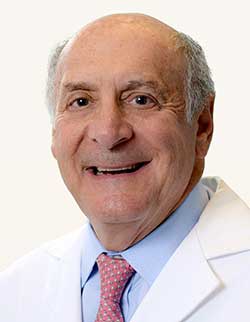
Meet Dr. David M. Dines
Dr. David Dines is an orthopedic surgeon at Hospital for Special Surgery and a Clinical Professor of Orthopedic Surgery at Weill Cornell Medical College. He is a former President of the American Shoulder and Elbow Surgeons and has been honored as one of the Best Doctors in America and in New York since 1996.
Treatment of shoulder instability and shoulder dislocations is among his areas of special expertise. He co-edited the textbook Controversies in Shoulder Instability and has co-authored research on the Latarjet procedure.
- Former Associate Team Physician for the New York Mets
- Member of the Sports Medicine Institute at HSS
- Neer Award for Shoulder Research, 2004
Our Upper East Side Location
HSS Manhattan – Main Site
525 East 71st Street
Belaire Building – First Floor
New York, NY 10021
Phone: 516.482.1037
Dr. Dines also sees patients at HSS Long Island in Uniondale. View location details and directions.
Frequently Asked Questions
Do I need surgery after my first shoulder dislocation?
Not always. Many first-time dislocations are treated with rest and physical therapy. Because young, active patients have a high chance of dislocating again, surgery may be discussed sooner for athletes, especially those in contact or overhead sports.
Is shoulder stabilization surgery done arthroscopically?
Most stabilization surgeries can be done arthroscopically through small incisions. When repeated dislocations have caused significant bone loss, an open procedure such as the Latarjet may be a better option.
How long is recovery after shoulder instability surgery?
Most patients wear a sling for about four to six weeks, followed by months of physical therapy. A return to sports typically takes four to six months or longer, depending on the procedure and the sport.
What happens if shoulder instability is not treated?
Repeated dislocations can damage the labrum, cartilage, and the bone of the socket. Over time this can make the shoulder less stable and raise the risk of arthritis.
Which insurance plans are accepted?
See the accepted insurances page for current plans, or call the office to confirm coverage.
Book Your Appointment Today!
If your shoulder has dislocated or keeps feeling unstable, an evaluation with Dr. David Dines at HSS on the Upper East Side can clarify your options and help you get back to the activities you care about.
Or call 516.482.1037